
Dining Spaces That Pass Health Inspections
Restaurant Cleaning Services in Lancaster for food service operations where sanitation directly affects health compliance and customer confidence
Grease accumulates on exhaust hoods faster than nightly wipe-downs can remove it, floor grout in kitchen areas darkens despite daily mopping, and dining surfaces show wear patterns that undermine the atmosphere you're trying to create. Hill Top Cleaning Services provides restaurant cleaning in Lancaster that addresses both the visible cleanliness customers notice and the sanitation standards health inspectors measure. Kitchen environments generate specific challenges including aerosolized cooking oils that coat vertical surfaces, organic debris that harbors bacterial growth in grout and drain areas, and high-touch surfaces in dining areas that transfer contaminants between guests.
The service includes deep cleaning of kitchen surfaces including prep areas and equipment, sanitization of dining furniture and condiment stations, floor scrubbing that addresses embedded grease and food particles, and detailed attention to restrooms where customer experience depends on perceived cleanliness. This approach separates cosmetic cleaning from actual sanitization, focusing on pathogen reduction in areas where food safety and customer health intersect.
Schedule a kitchen and dining area evaluation to identify sanitation priorities based on your menu type and service volume.
What Proper Restaurant Sanitization Requires
Restaurant cleaning demands different protocols than standard commercial service because food preparation surfaces require sanitizers that meet specific kill-time standards for bacteria, and kitchen exhaust systems accumulate grease that becomes a fire hazard when layers build up over time. Dining area sanitization focuses on tables, menus, and condiment containers that pass directly between multiple guests each service period. Hill Top Cleaning Services uses food-safe sanitizers in prep areas, degreasers rated for commercial kitchen use on exhaust surfaces, and floor treatments that address the combination of grease and organic debris that creates slip hazards in kitchen traffic lanes.
After service, kitchen surfaces show no grease film when wiped with a clean cloth, floor grout appears uniform in color rather than showing dark lines along traffic patterns, and dining tables pass the white-glove test for both visible cleanliness and residue-free sanitization. Stainless steel equipment reflects light evenly rather than showing streaks or buildup, and exhaust hoods operate efficiently without grease dripping onto cooking surfaces during high-heat periods.
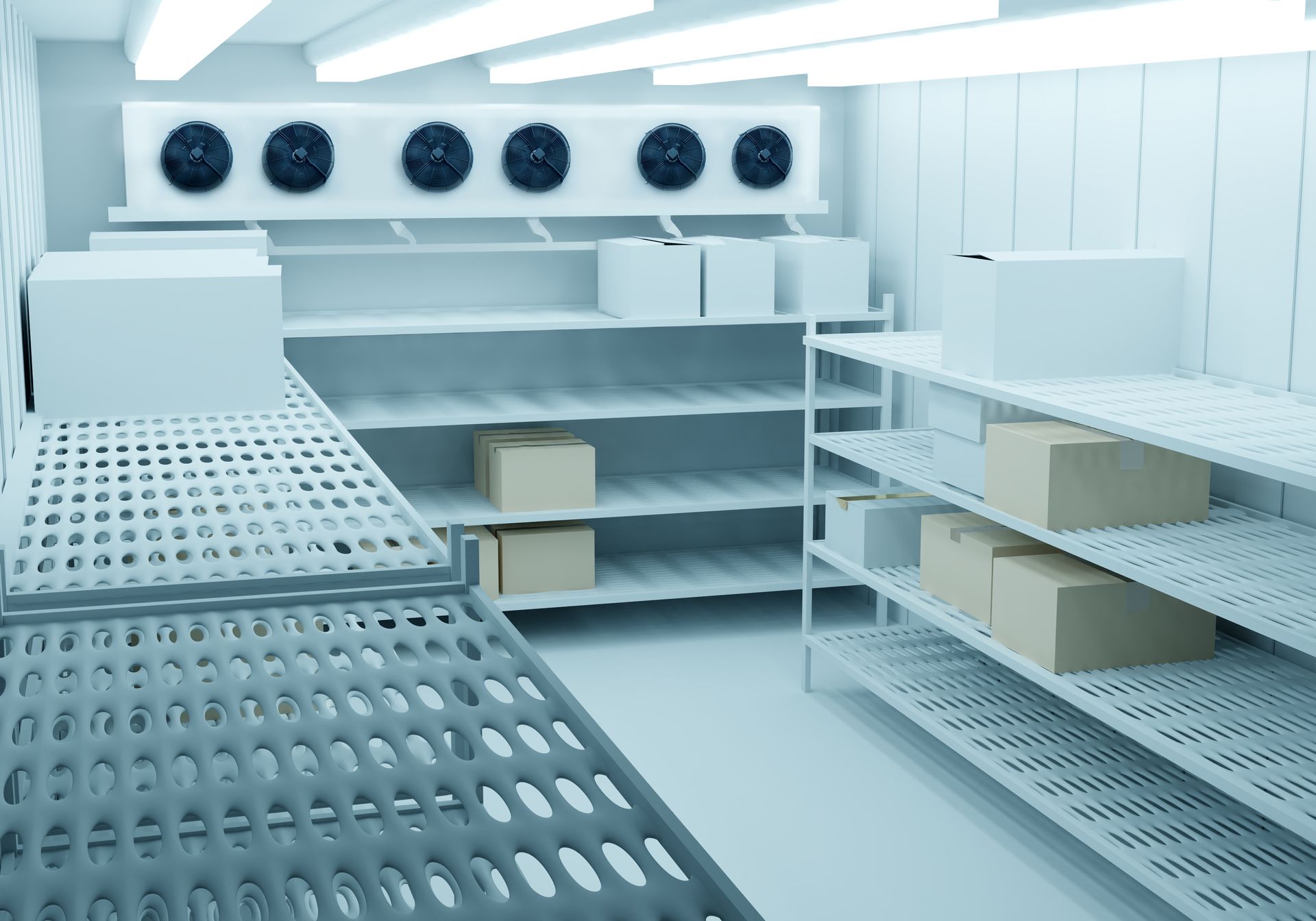
This service addresses both front-of-house appearance and back-of-house sanitation, which require different cleaning agents and techniques. Deep cleaning works on schedules that complement your nightly maintenance, focusing on areas like walk-in coolers, under-equipment spaces, and wall surfaces that daily operations cannot access. The service does not include equipment disassembly or internal appliance cleaning, which typically falls under manufacturer maintenance protocols rather than facility sanitation.
Answers to Frequent Service Questions
Restaurant operators in Lancaster usually ask how professional cleaning integrates with their existing staff responsibilities and what health inspectors specifically look for during evaluations.
- What restaurant areas need professional cleaning beyond what staff handles nightly? Professional service targets exhaust systems where grease accumulates out of reach, floor grout that requires machine scrubbing to remove embedded soil, walk-in cooler walls and ceilings where condensation creates bacterial growth conditions, and dining area deep cleaning that maintains furniture and fixture appearance despite continuous use.
- How does restaurant cleaning maintain health code compliance? The service uses EPA-registered sanitizers at concentrations that meet Pennsylvania food safety requirements, addresses critical control points that health inspectors examine including three-compartment sink areas and food contact surfaces, and documents cleaning procedures that demonstrate systematic attention to sanitation rather than reactive spot-cleaning.
- When should restaurants schedule deep cleaning around service hours? Most Lancaster restaurants prefer post-closing service that begins after kitchen shutdown and final staff cleanup, typically starting between 10:00 PM and midnight depending on your closing time, which allows floors to dry and sanitizers to complete kill-time before morning prep begins.
- What's the difference between sanitizing and disinfecting in food service? Sanitizing reduces bacterial counts to safe levels as defined by health codes and is appropriate for food contact surfaces and dining areas, while disinfecting kills a broader spectrum of pathogens and is typically reserved for restroom surfaces and areas where bodily fluids might be present, with different chemical agents used for each purpose.
- How can we tell if kitchen cleaning is actually reducing bacterial load versus just improving appearance? Properly sanitized surfaces dry quickly without leaving sticky residue, stainless steel shows no film when touched, and floor surfaces feel clean rather than tacky when walked on after drying, though ATP testing provides measurable confirmation of bacterial reduction if health compliance documentation requires it.
Hill Top Cleaning Services tailors restaurant cleaning to your specific operation, whether you run a full-service dining room, quick-service counter operation, or specialized food preparation facility. Set up a consultation to review your kitchen layout and establish cleaning priorities that support both health compliance and customer perception.