
Professional Environments That Reflect Financial Trust
Bank & Financial Institution Cleaning in Lancaster for facilities where cleanliness communicates security and professional competence
Financial institutions operate under specific constraints that standard commercial cleaning often overlooks: document security requires that cleaning staff never access certain areas unsupervised, high customer visibility during business hours means maintenance must occur after closing, and regulatory expectations demand that facilities project stability and attention to detail through their physical appearance. Hill Top Cleaning Services handles bank and financial office cleaning in Lancaster with protocols that respect security requirements while maintaining the pristine presentation these environments require. The work addresses both customer-facing areas where first impressions form quickly and back-office spaces where employee productivity depends on professional surroundings.
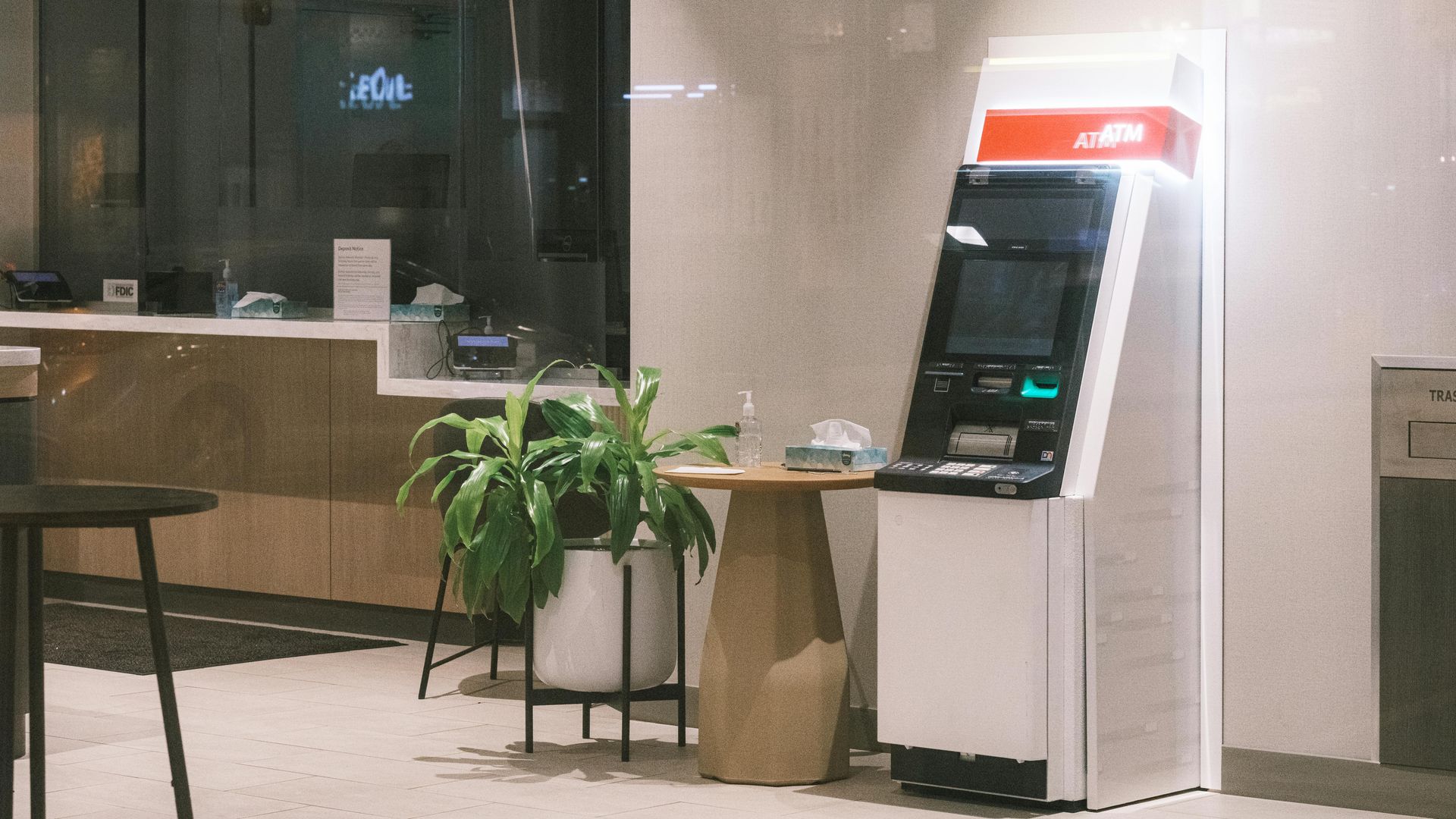
The service includes detailed sanitization of teller stations and transaction counters where cash handling requires frequent surface disinfection, lobby cleaning that maintains flooring and furniture despite continuous foot traffic, ATM exterior cleaning that removes fingerprints and card residue, and restroom maintenance that meets the elevated standards financial customers expect. Security protocols ensure cleaning occurs during approved hours with documented staff access.
Arrange a security-coordinated facility review to establish cleaning schedules that align with your access control requirements and operational hours.
How Financial Facility Cleaning Addresses Unique Requirements
Banks and credit unions require cleaning staff who understand that document confidentiality prohibits emptying desk trash without supervision, that certain areas remain locked even to maintenance personnel, and that visible cleaning quality directly affects customer perceptions of institutional reliability. Teller stations accumulate hand oils and ink residue from continuous cash and document handling, which requires daily sanitization with products that don't leave residue on surfaces where customers place paperwork. Lobby floors in Lancaster financial institutions experience concentrated traffic patterns where customers queue for teller service, creating wear lanes that need specialized attention to maintain uniform appearance.
After each service, glass entrance doors and partitions show no fingerprints or smudges, teller counters present clean transaction surfaces free of dust or debris, and lobby seating areas appear uniform without visible wear or soil accumulation. ATM screens and card readers function without residue interference, and restrooms maintain supply levels and sanitation that match customer expectations for professional environments. Flooring shows consistent appearance across the entire lobby rather than displaying traffic patterns or scuff marks near service counters.
This service operates within your security framework rather than requiring exceptions to access protocols. Cleaning schedules coordinate with alarm systems and security personnel to ensure proper building access. The service focuses on customer-visible areas and general office spaces, with secure areas like vaults or safe deposit rooms cleaned only under supervised conditions or excluded based on your security policies. After-hours scheduling minimizes business disruption while ensuring complete access to lobbies and public areas.
What Financial Managers Usually Ask
Branch managers and facility coordinators in Lancaster typically want to understand how cleaning services integrate with existing security protocols and what measures protect confidential information during maintenance operations.
- How do cleaning protocols protect document security and customer information? Staff receives training on financial institution requirements including never removing papers from desks, avoiding areas marked confidential or restricted, emptying only designated trash receptacles, and reporting any encountered documents to management rather than handling them, with all personnel subject to background verification before facility access.
- What cleaning approaches work for high-traffic bank lobbies? Daily attention to entrance areas including door glass and floor mats prevents soil from tracking throughout the facility, frequent sanitization of transaction counters addresses oils and residues from cash handling, and periodic deep cleaning of lobby flooring maintains uniform appearance despite concentrated traffic patterns near teller lines and service desks.
- When can cleaning be scheduled to avoid disrupting business operations while meeting security requirements? Most Lancaster financial institutions prefer service windows between 6:00 PM and 10:00 PM after closing but before overnight security protocols activate, though some branches accommodate early morning cleaning before opening if after-hours access creates security complications.
- How is ATM cleaning performed without compromising machine security? Exterior cleaning addresses screens, card readers, and cabinet surfaces using appropriate cleaners that don't damage anti-glare coatings or leave residues that interfere with card reading, with no access to internal mechanisms or cash compartments, which remain under your exclusive control and maintenance contracts.
- What distinguishes cleaning quality appropriate for financial institutions versus standard office cleaning? Financial facility cleaning maintains higher standards for visible details like glass clarity, counter sanitization, and floor uniformity because customers form rapid judgments about institutional trustworthiness based on physical appearance, requiring daily attention to surfaces that might receive weekly service in less visible commercial environments.
Hill Top Cleaning Services works within your security framework to maintain facility appearance without compromising confidentiality or operational protocols. Contact us to establish a cleaning plan that addresses both customer-facing presentation and back-office professional environments while respecting your access control requirements.
